

Many people with a damaged skin barrier assume their skin is just sensitive, dry, or acne-prone. So, they keep reaching for more products to treat those surface issues, when the actual problem is sitting underneath all of it.
Your skin barrier is the outer layer responsible for keeping moisture in and irritants out. A damaged one can’t do either job properly.
Once you focus on skin barrier repair, though, a lot of those “problems” you’ve been chasing start to fade on their own, because they were all signs of the same underlying damage.
In this guide, we’ll walk through how to repair a damaged skin barrier, the habits that commonly cause it, and a clear, practical routine to restore it and keep it strong.
What Is the Skin Barrier?
Your skin barrier is the outermost layer of your skin. Scientists call it the stratum corneum.
Think of it as a brick wall. Your skin cells are the bricks, and the lipids holding them together, like the ceramides, cholesterol, and fatty acids, are the mortar. As long as the mortar stays intact, everything holds together the way it should. Your skin stays hydrated, smooth, and calm.
The trouble starts when that wall breaks down. Little gaps open up, moisture starts escaping, and irritants slip through. Before long, your skin is dry, sensitive, and generally not happy with you.
How Do You Know Your Barrier Is Damaged?
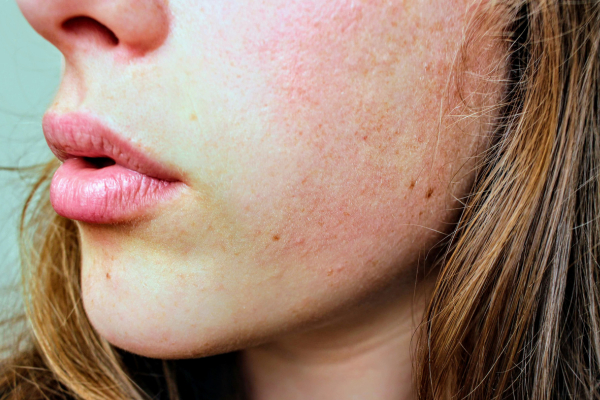
You don’t need a dermatologist to spot the trouble. Your skin will tell you loud and clear. The most common signs of a damaged skin barrier include:
- Tightness that doesn’t go away, even after moisturizing
- Flaky, peeling, or rough patches
- Redness or blotchiness that seems random
- Stinging or burning when you apply products
- Sudden breakouts or bumps
- Skin that feels dry and oily at the same time
- Increased sensitivity to stuff that never bothered you before
If you’re nodding along to a few of these, your barrier probably needs some help.
What Wrecks Your Skin Barrier in the First Place
Before we fix it, let’s talk about how it got damaged. Because if you don’t stop the cause, you’ll just be back here in a month.
Over-exfoliating. Scrubs, acids, retinoids, cleansing brushes: used too often, they strip your skin faster than you’d think. More is not better here.
Harsh cleansers. If your face feels squeaky clean and tight after washing, your cleanser is too aggressive. The “clean” feeling is your barrier being stripped.
Hot water. Long, steamy showers feel amazing. Your skin barrier disagrees. Hot water melts away the protective lipids.
Too many active ingredients. Vitamin C in the morning, retinol at night, acids twice a week, plus whatever new thing you saw online. Layering too many actives overwhelms your skin.
Stress and bad sleep. High stress and poor sleep slow down your skin’s ability to repair itself.
How to Repair Your Skin Barrier
Luckily, your barrier is naturally resilient and can rebuild itself, as long as you give it what it needs.
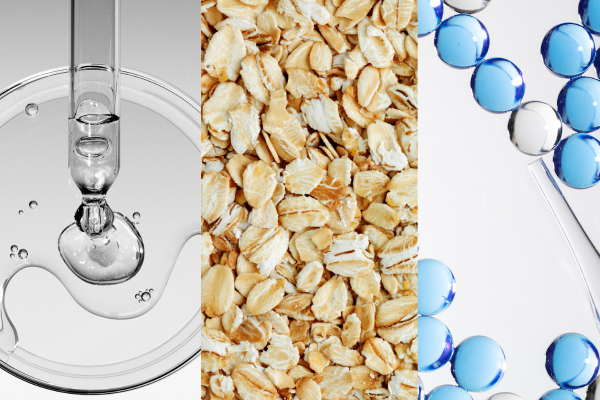
Barrier-repairing heroes like ceramides, amino acids, beta-glucan, oat extract, and hyaluronic acid replenish lost moisture, reinforce your skin’s natural defenses, and help restore a healthier, more resilient barrier. Hyaluronic acid deserves a special shout-out here, because hyaluronic acid for skin barrier repair is one of the most effective ways to pull moisture back into thirsty, compromised skin and keep it there.
The right skin barrier repair products make this whole process easier. Here are three M.A.D Skincare picks built to do exactly that.
M.A.D Skincare Vitamin K Recovery Cream
The M.A.D Skincare Vitamin K Recovery Cream uses vitamin K, vitamin E, and oat kernel extract to help strengthen a damaged barrier, ease visible redness, and restore hydration.
Vitamin K supports your skin’s natural repair and renewal, while vitamin E works as an antioxidant to fight free radicals, calm inflammation, and support collagen. Oat kernel extract helps reinforce the barrier, soothe irritation, and hold onto moisture, so your skin feels softer and more comfortable.

M.A.D Skincare Hyaluronic Acid Hydrating Facial Masks
The Hyaluronic Acid Hydrating Facial Masks combine hyaluronic acid, tremella (snow mushroom), and Stephania tetrandra root extract to hydrate, soothe, and strengthen the barrier.
- Hyaluronic acid pulls in and holds moisture to keep skin plump and supple.
- Tremella adds long-lasting hydration and helps reinforce the moisture barrier for a smoother, healthier look.
- Stephania tetrandra root extract calms irritation, reduces inflammation, and improves comfort while protecting against environmental stress.
Together, they restore moisture and leave skin stronger and more resilient.
M.A.D Skincare Delicate Daily Moisturizer
Consider this your everyday essential. Our Delicate Daily Moisturizer contains a potent cocktail of hyaluronic acid, Prodew® 600, aloe vera, chamomile, licorice extract, sedaplant richter, and a soothing botanical complex to hydrate skin while calming it at the same time.
Hyaluronic acid carries moisture deep into the skin, and Prodew® 600 (a blend of eight amino acids, sodium PCA, and lactic acid) helps replenish your skin’s Natural Moisturizing Factor (NMF), retain hydration, and boost softness and elasticity.
Meanwhile, the aloe vera, chamomile, licorice extract, and other botanicals ease redness and irritation, so your barrier stays protected all day.

What to Avoid While Your Barrier Heals
Repairing your barrier is as much about what you don’t do as what you do. While you’re recovering:
- Skip the exfoliants. Avoid all acids, peels, and scrubs until your skin feels normal again.
- Pause the retinoids. Reintroduce them slowly once you’ve healed, not before.
- Avoid fragranced products. Fragrance can irritate compromised skin. Keep it simple.
- Don’t over-wash. Twice a day is plenty. Once might be enough for very dry, sensitive skin.
- Resist the urge to fix it fast. Throwing more products at the problem usually makes it worse.
Less really is more here. Give your skin room to do what it does best.
How Long Does It Take?
Patience is the hard part. Most people see real improvement in one to four weeks with a consistent, simple routine.
Mild damage might bounce back in a few days. More serious damage can take a couple of months. It depends on how badly the barrier was beaten up and how disciplined you are about giving it a rest.
The key word is consistency. You can’t heal your barrier by doing the right thing for two days and then jumping back into your acids because your skin “looks better.” Stay the course.
Easing Back into Your Routine
Once your skin feels normal again, you can slowly reintroduce your actives.
Emphasis on slowly.
Start with one product. Use it once a week. See how your skin responds. If everything’s fine after a couple weeks, bump it up to twice a week. Add products back one at a time, never all at once.
And this time, pay attention. If your skin starts feeling tight or irritated again, back off. Your barrier is telling you something.
The Bottom Line
A damaged skin barrier feels like a setback, but it’s one of the most fixable skin issues out there. Strip your routine back, focus on gentle cleansing, load up on hydration and barrier-repairing ingredients, seal it in with a solid moisturizer, and never skip your SPF.
Do this consistently, and your skin will rebuild itself.
If you want a simple, results-driven way to get there, explore the M.A.D Skincare collection and build a barrier-friendly routine around your life.